

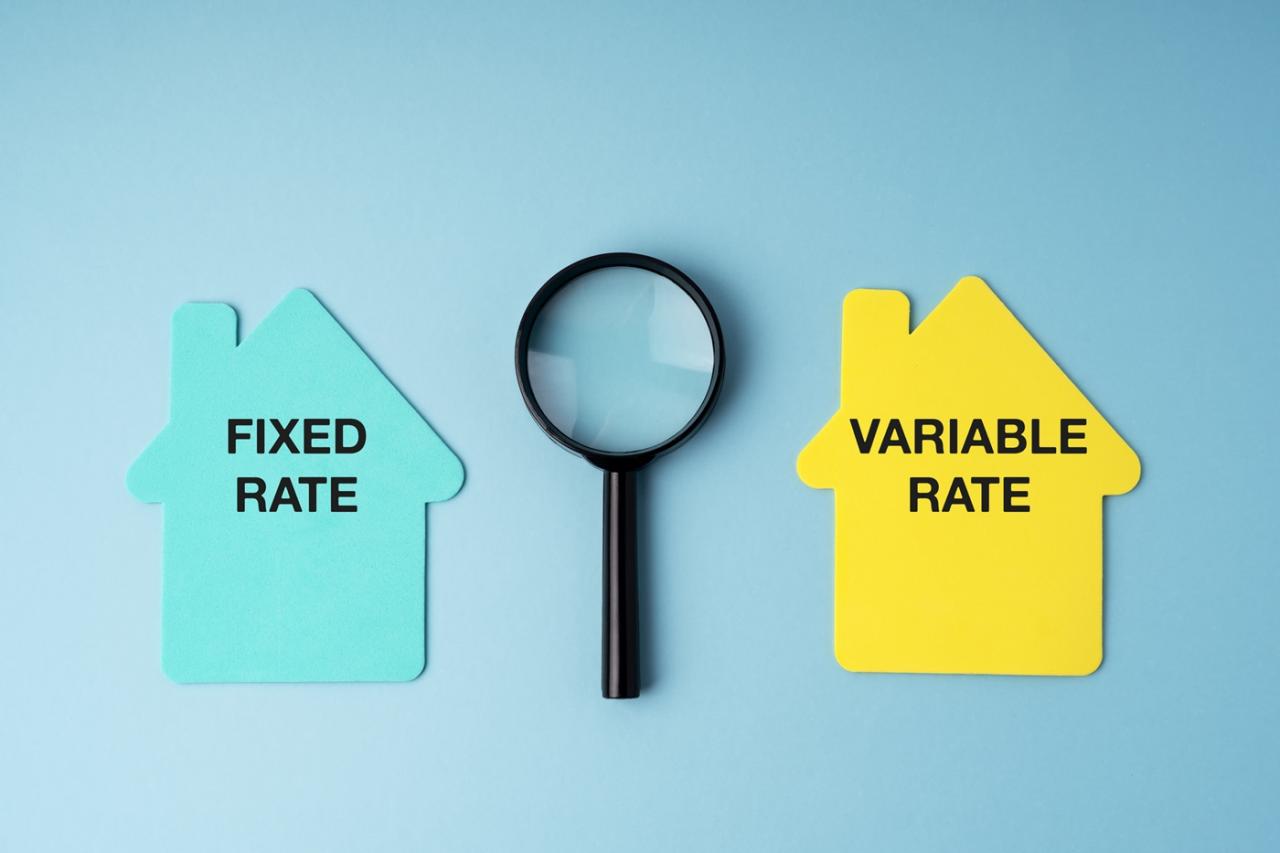
Fixed vs. Variable Mortgage Rates in Australia: Where is the Market Heading in 2026? sets the stage for this enthralling narrative, offering readers a glimpse into a story that is rich in detail with casual formal language style and brimming with originality from the outset.
The discussion on fixed and variable rates, current trends, and future predictions will provide valuable insights for those navigating the Australian mortgage market.
Fixed vs. Variable Mortgage Rates
When it comes to choosing a mortgage, one of the key decisions borrowers face is whether to opt for a fixed or variable interest rate. Each option has its own set of advantages and disadvantages, which can impact the overall cost and flexibility of the loan.Fixed-Rate Mortgages:Pros and Cons of Fixed-Rate Mortgages
Fixed-rate mortgages offer stability and predictability as the interest rate remains constant throughout the loan term. This can be beneficial for budgeting purposes, as borrowers know exactly how much their monthly payments will be.
- Pros:
- Protection against interest rate hikes
- Easier budgeting with consistent payments
- Potential savings if rates increase in the future
- Cons:
- Higher initial interest rates compared to variable mortgages
- No benefit if market interest rates decrease
- Potential penalties for early repayment or refinancing
Advantages and Disadvantages of Variable-Rate Mortgages
Variable-rate mortgages, on the other hand, can offer lower initial interest rates but come with the risk of fluctuating payments based on market conditions.
- Advantages:
- Potential for lower initial interest rates
- Opportunity to benefit from interest rate decreases
- Flexibility to repay the loan early without penalties
- Disadvantages:
- Risk of increased payments if interest rates rise
- Uncertainty in budgeting due to fluctuating payments
- Potential higher overall cost if rates increase significantly
Current Mortgage Rate Trends in Australia
Australia's mortgage rate trends are influenced by various factors that impact the borrowing costs for home buyers. These rates can fluctuate based on economic conditions, market forces, and regulatory changes. Understanding the current trends in Australian mortgage rates is essential for both potential home buyers and existing homeowners.Factors Influencing Mortgage Rates in Australia
- The Reserve Bank of Australia's Cash Rate: The RBA's decisions on the official cash rate directly influence mortgage rates. When the cash rate is lowered, banks tend to reduce their interest rates on mortgages, making borrowing more affordable for consumers.
- Economic Conditions: The overall economic health of the country, including factors like inflation, unemployment, and economic growth, can impact mortgage rates. A strong economy may lead to higher interest rates, while a weaker economy could result in lower rates to stimulate borrowing.
- Global Financial Markets: International economic developments, such as changes in global interest rates or geopolitical events, can also influence Australian mortgage rates. These external factors can lead to fluctuations in borrowing costs for Australian consumers.
How Economic Conditions Impact Mortgage Rate Fluctuations
- Interest Rate Movements: Changes in the official cash rate by the Reserve Bank of Australia can directly impact mortgage rates. If the RBA raises the cash rate to curb inflation, banks may increase their interest rates on mortgages, making borrowing more expensive.
- Unemployment Rates: High levels of unemployment can weaken consumer confidence and decrease demand for loans, leading banks to lower mortgage rates to attract borrowers. Conversely, low unemployment rates may result in higher interest rates to manage inflationary pressures.
- Inflation: Rising inflation can erode the purchasing power of consumers and reduce the value of loan repayments. To combat inflation, central banks may increase interest rates, affecting mortgage costs for homeowners.
Predictions for 2026
Economic Indicators Influencing Mortgage Rates
- Interest Rates: The Reserve Bank of Australia's decisions regarding the official cash rate will play a significant role in determining mortgage rates. If the central bank decides to increase interest rates to combat inflation, this could lead to higher borrowing costs for homeowners.
- Economic Growth: The overall economic performance of Australia, including factors like GDP growth, employment rates, and inflation, can influence mortgage rates. A strong economy may result in higher rates, while a slowdown could lead to lower rates.
- Global Economic Conditions: Global events and economic trends, such as trade agreements, geopolitical tensions, and commodity prices, can also impact mortgage rates in Australia. Uncertainty in the global market could lead to volatility in interest rates.
Legislative Changes Affecting Mortgage Rates
- Regulatory Measures: Any new regulations or changes to existing laws related to the financial sector could impact mortgage rates. For example, stricter lending standards or changes in taxation policies may influence the cost of borrowing for homebuyers.
- Government Policies: The government's housing policies and initiatives, such as first-home buyer schemes or incentives for property investors, can affect demand for mortgages and subsequently influence interest rates.
Concluding Remarks
In conclusion, the landscape of mortgage rates in Australia is dynamic and influenced by various factors. By understanding the differences between fixed and variable rates, as well as the market trends and predictions for 2026, individuals can make informed decisions regarding their mortgages. Stay informed to stay ahead in the ever-evolving mortgage market.
Clarifying Questions
What are the key differences between fixed and variable mortgage rates?
Fixed rates remain constant for a set period, offering stability, while variable rates fluctuate with market conditions, potentially leading to savings or higher costs.
How do economic conditions impact mortgage rate fluctuations?
Economic indicators such as inflation, employment rates, and central bank policies play a significant role in influencing mortgage rates.
What expert forecasts suggest about mortgage rates in Australia for 2026?
Experts predict a gradual increase in mortgage rates in 2026 due to economic growth and potential legislative changes affecting interest rates.

