

Cash-Out Refinance vs. HELOC: Which is the Best Strategy for US Homeowners? sets the stage for this enthralling narrative, offering readers a glimpse into a story that is rich in detail and brimming with originality from the outset.
When it comes to managing finances and making decisions about your home, the choice between Cash-Out Refinance and HELOC can have a significant impact on your financial future. This comparison will delve into the nuances of each option, helping you navigate the complexities of these strategies with clarity and confidence.
Understanding Cash-Out Refinance and HELOC
Cash-Out Refinance and Home Equity Line of Credit (HELOC) are two common ways for homeowners to tap into their home equity.Definition and Primary Differences
- Cash-Out Refinance: This involves refinancing your mortgage for a higher amount than what you currently owe and receiving the difference in cash. The new loan pays off your existing mortgage, and you have a new loan with new terms.
- HELOC: A HELOC is a line of credit that allows you to borrow against the equity in your home. It works like a credit card where you have a credit limit based on the equity in your home, and you can borrow and repay multiple times.
Eligibility Criteria
- Cash-Out Refinance:
- Good credit score typically required (usually 620 or higher).
- Lenders may require a certain amount of equity in the home (usually at least 20%).
- Debt-to-income ratio typically needs to be within acceptable limits.
- HELOC:
- Good credit score is usually required.
- Equity in the home is a key factor (usually at least 15-20%).
- Lenders may consider your income, employment status, and other debts.
Pros and Cons of Cash-Out Refinance
When considering a Cash-Out Refinance, it is important to weigh the advantages and disadvantages to make an informed decision. Let's explore the pros and cons of opting for a Cash-Out Refinance.Advantages of Cash-Out Refinance
- Access to Equity: One of the main benefits of a Cash-Out Refinance is the ability to access the equity built up in your home. This can provide you with a lump sum of cash that can be used for various purposes such as home improvements, debt consolidation, or other financial needs.
- Lower Interest Rates: Cash-Out Refinance often comes with lower interest rates compared to other types of loans, such as personal loans or credit cards. By refinancing at a lower rate, you could potentially save money on interest payments in the long run.
- Tax Deductible: In many cases, the interest paid on a Cash-Out Refinance may be tax deductible, which can result in additional savings for homeowners.
Drawbacks of Cash-Out Refinance
- Increased Debt: By tapping into the equity of your home, you are essentially increasing your mortgage debt. This means that you will have a larger loan amount and potentially a longer repayment term, which could result in higher overall costs.
- Closing Costs: Just like with any mortgage refinance, there are closing costs associated with a Cash-Out Refinance. These costs can add up and should be factored into your decision-making process.
- Risk of Foreclosure: Since your home is used as collateral for the Cash-Out Refinance loan, there is a risk of foreclosure if you are unable to make the required payments. It is essential to assess your financial situation carefully before proceeding.
Suitable Situations for Cash-Out Refinance
- Home Renovations: If you are looking to renovate your home and increase its value, a Cash-Out Refinance can provide the necessary funds for the project.
- Debt Consolidation: Consolidating high-interest debt into a lower-rate mortgage through Cash-Out Refinance can help you save money on interest payments and simplify your finances.
- Emergency Expenses: In cases of unexpected financial emergencies, a Cash-Out Refinance can provide quick access to cash without resorting to high-interest debt options.
Pros and Cons of HELOC
When considering a Home Equity Line of Credit (HELOC) as a financial strategy, it is essential to weigh the advantages and disadvantages to make an informed decision.HELOCs offer homeowners several benefits, such as:Benefits of Selecting a HELOC
- Flexibility in accessing funds: With a HELOC, you can borrow funds as needed, making it a convenient option for ongoing or unpredictable expenses.
- Lower interest rates: HELOCs typically have lower interest rates compared to credit cards or personal loans, potentially saving you money on interest payments.
- Tax-deductible interest: In some cases, the interest paid on a HELOC may be tax-deductible, providing potential savings for homeowners.
Disadvantages of Using a HELOC
- Variable interest rates: HELOCs often come with variable interest rates, which can lead to fluctuating monthly payments and potentially higher costs over time.
- Risk of foreclosure: If you are unable to repay the borrowed amount, you risk losing your home as collateral for the HELOC.
- Potential for overspending: The accessibility of funds through a HELOC may tempt some homeowners to overspend, leading to increased debt.
Scenarios where Opting for a HELOC is the Best Strategy
- Home improvements: Using a HELOC to fund renovations or upgrades that increase the value of your home can be a wise investment.
- Debt consolidation: Consolidating high-interest debt into a HELOC with a lower interest rate can help save money on interest payments and simplify debt management.
- Emergency expenses: Having a HELOC as a financial safety net for unexpected emergencies or medical bills can provide peace of mind.
Factors to Consider When Choosing Between Cash-Out Refinance and HELOC
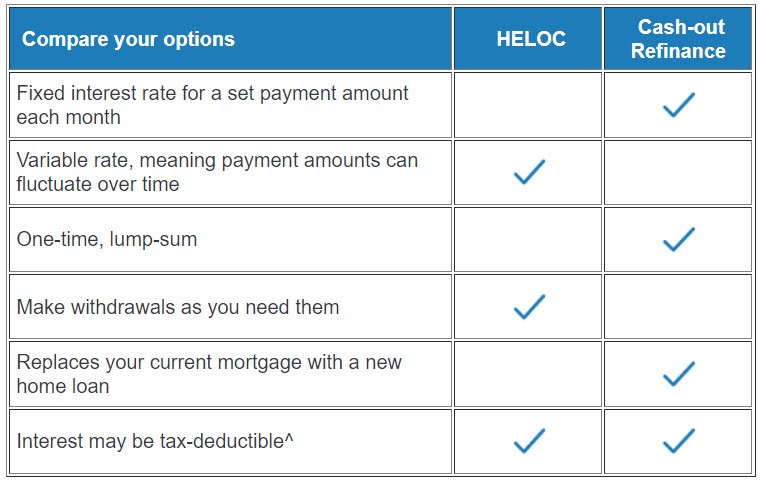 When deciding between a Cash-Out Refinance and a Home Equity Line of Credit (HELOC), several factors need to be taken into consideration to make an informed choice that aligns with your financial goals and circumstances.
Interest Rates and Repayment Terms
- Cash-Out Refinance typically offers a fixed interest rate, providing stability in monthly payments over the life of the loan.
- HELOCs often come with variable interest rates, which means payments can fluctuate based on market conditions.
- Repayment terms for Cash-Out Refinance are usually longer, spreading payments over a new mortgage term.
- HELOCs have a draw period where you can access funds and a repayment period when you must pay back what you've borrowed, often with higher monthly payments.
Credit Score Impact
- Cash-Out Refinance may result in a temporary dip in credit score due to the new mortgage inquiry and increased debt load.
- HELOCs can also affect credit scores, especially if you use a large portion of the available credit or miss payments.
- It's essential to manage your debt responsibly with either option to minimize negative impacts on your credit score.
Long-Term Financial Implications
- Cash-Out Refinance can provide a lump sum of cash but increases the total amount owed on your home, potentially extending the time it takes to pay off your mortgage.
- HELOCs offer flexibility in accessing funds as needed but require discipline to avoid accumulating more debt than you can afford to repay.
- Consider how each option fits into your overall financial plan and whether the benefits align with your long-term financial goals.
Application Process and Costs
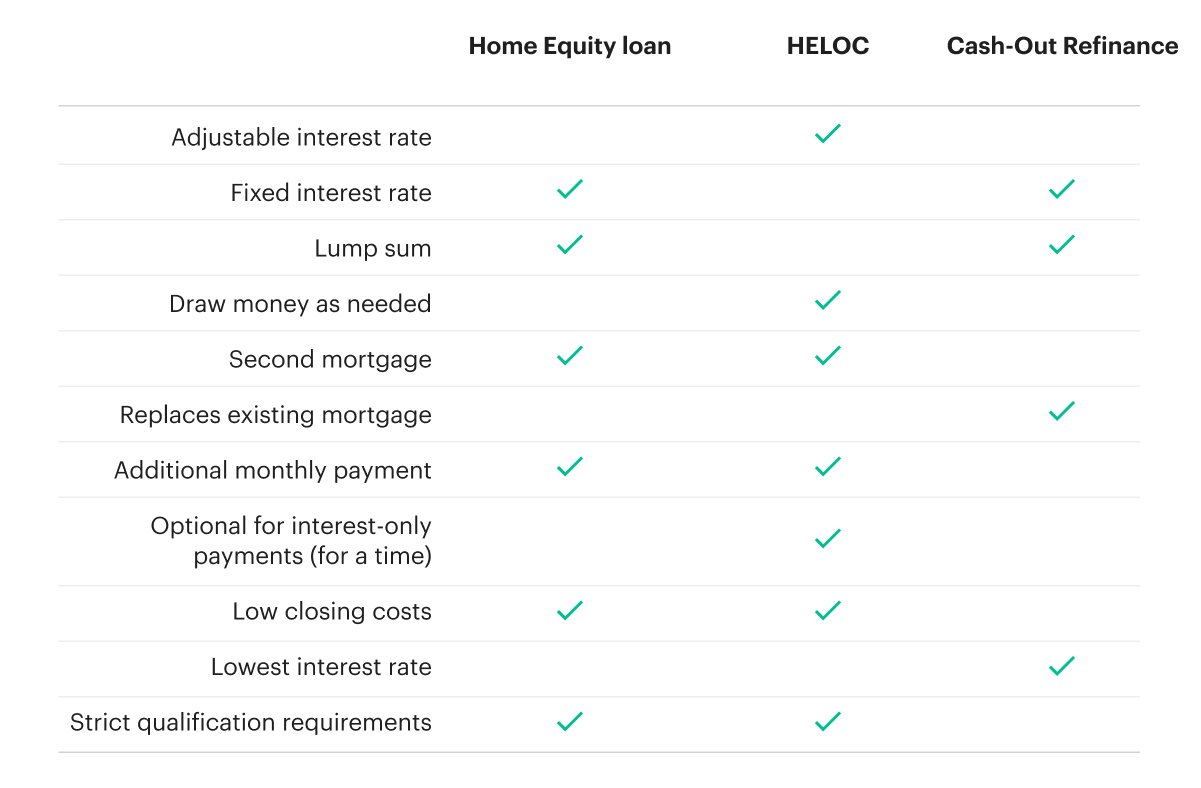 When it comes to applying for a Cash-Out Refinance or a Home Equity Line of Credit (HELOC), there are specific steps and costs involved that homeowners need to consider.
Cash-Out Refinance Application Process and Costs
Applying for a Cash-Out Refinance involves the following steps:- Submit an application with a lender, providing necessary financial documents.
- An appraisal of your home will be conducted to determine its current value.
- If approved, you will receive a new loan that replaces your existing mortgage, with the additional cash amount.
- Closing costs, which typically range from 2% to 6% of the loan amount.
- Interest rates, which may be higher than your original mortgage rate.
- Loan origination fees and other lender fees.
Tip: Compare offers from multiple lenders to ensure you get the best rates and terms for your Cash-Out Refinance.
HELOC Application Process and Costs
The application process for a HELOC involves:- Submit an application with a lender, providing financial information and details about your home.
- An appraisal may be required to determine the value of your home.
- If approved, you can access a line of credit based on a percentage of your home's equity.
- Closing costs, which are typically lower than those of a Cash-Out Refinance.
- Annual fees or maintenance fees for the HELOC account.
- Variable interest rates that can fluctuate over time.
Tip: Be aware of any introductory rates and understand how the interest rates will adjust over the life of the HELOC.
Final Summary
In conclusion, the decision between Cash-Out Refinance and HELOC ultimately depends on your specific financial goals and circumstances. By weighing the pros and cons of each option and considering factors like interest rates, repayment terms, and long-term implications, you can make an informed choice that aligns with your objectives. Whether you opt for Cash-Out Refinance or HELOC, both strategies offer unique advantages and considerations that can shape your homeownership journey in the US.
FAQ Overview
What are the eligibility criteria for Cash-Out Refinance and HELOC?
Eligibility criteria for Cash-Out Refinance typically involve factors like credit score, loan-to-value ratio, and debt-to-income ratio, while HELOC eligibility is based on home equity, credit score, and income.
How do interest rates compare between Cash-Out Refinance and HELOC?
Interest rates for Cash-Out Refinance are usually fixed, while HELOC rates are variable and tied to the prime rate. This difference can impact the overall cost of borrowing over time.
What are the application processes for Cash-Out Refinance and HELOC?
The application process for Cash-Out Refinance involves refinancing your existing mortgage, while HELOC applications require you to apply for a line of credit secured by your home's equity.

