

Refinancing a Home Loan in Germany (Umschuldung): How to Secure Lower Interest Rates sets the stage for this enthralling narrative, offering readers a glimpse into a story that is rich in detail with a casual formal language style and brimming with originality from the outset.
Understanding the concept of refinancing a home loan, how it works in Germany, and the benefits it offers are just the beginning. Dive deeper into factors to consider before refinancing, steps to secure lower interest rates, and the pros and cons of this financial move.
Understanding Home Loan Refinancing in Germany
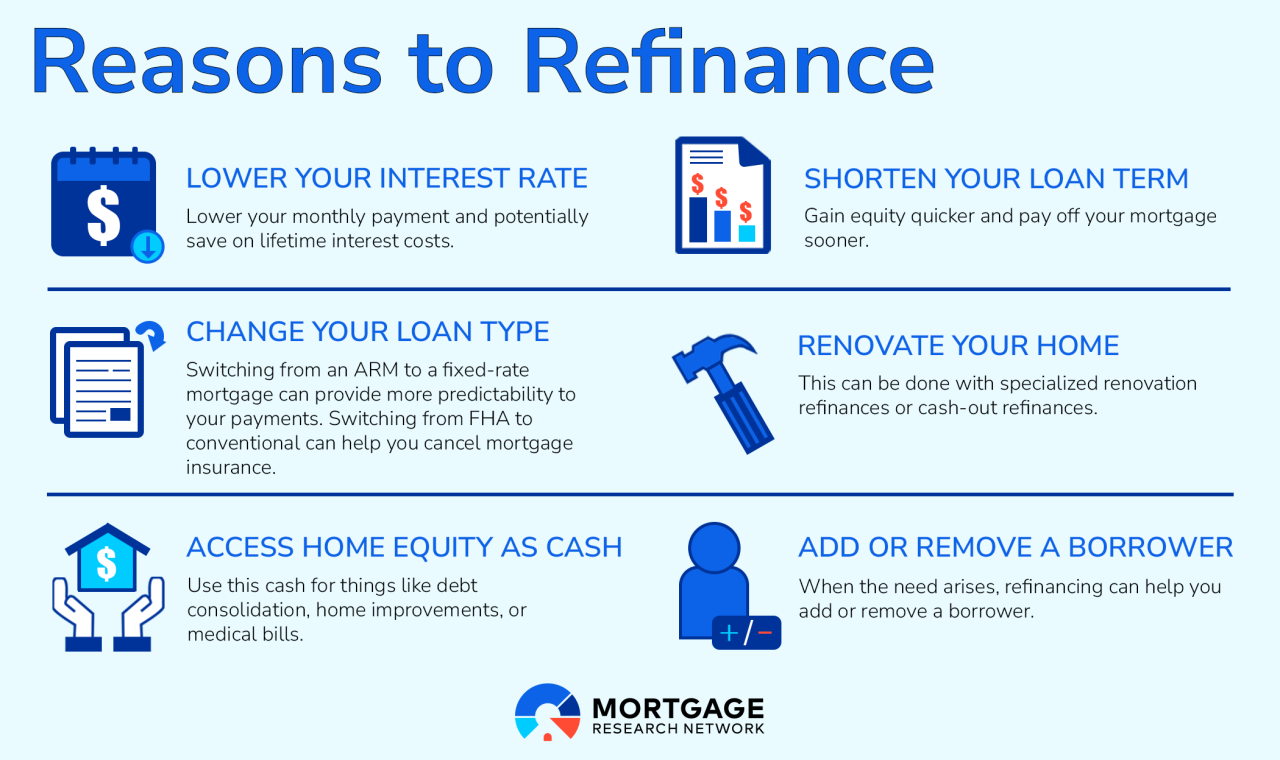 When it comes to home loan refinancing in Germany, it is essential to understand the concept and how it can benefit homeowners. Refinancing involves replacing an existing mortgage with a new one, usually with better terms such as lower interest rates or extended repayment periods.
How Refinancing Works in Germany
In Germany, homeowners can refinance their home loans by applying for a new mortgage with a different lender to pay off the existing loan. This process allows borrowers to take advantage of lower interest rates or improved loan terms, ultimately reducing monthly payments or shortening the loan term.Benefits of Refinancing a Home Loan in Germany
- Lower Interest Rates: By refinancing a home loan in Germany, homeowners can secure lower interest rates, leading to significant savings over the life of the loan.
- Improved Loan Terms: Refinancing can also help borrowers switch from adjustable-rate mortgages to fixed-rate mortgages, providing more stability in monthly payments.
- Debt Consolidation: Homeowners can use refinancing to consolidate high-interest debts into their mortgage, potentially lowering overall interest costs.
- Access to Equity: Refinancing allows homeowners to tap into their home equity for major expenses such as home renovations or education costs.
Factors to Consider Before Refinancing
Before deciding to refinance a home loan in Germany, there are several important factors to consider. These factors can significantly impact the overall cost and benefits of the refinancing process. It is crucial to carefully evaluate each of these factors to make an informed decision.Comparing Interest Rates
When considering refinancing a home loan, one of the key factors to look at is the interest rates. Compare the interest rate of your existing loan with the potential refinancing options available in the market. If the current interest rates are lower than what you are currently paying, refinancing could lead to significant savings over the life of the loan.Impact of Credit Score and Income Stability
Your credit score and income stability play a crucial role in determining your eligibility for refinancing and the interest rate you may qualify for. Lenders in Germany typically offer better terms to borrowers with higher credit scores and stable income. Before refinancing, it is important to assess your credit score and ensure that your income is stable to increase your chances of securing lower interest rates.Steps to Secure Lower Interest Rates
 When looking to secure lower interest rates through refinancing in Germany, it is essential to follow a step-by-step process and be prepared to negotiate with lenders for better terms. Additionally, having the necessary documentation ready will help ensure a successful refinancing application.
1. Evaluate Your Current Loan Terms
Before refinancing, carefully review your current loan terms, including the interest rate, loan amount, and repayment schedule. This will help you determine if refinancing is the right option and what terms you should aim for to secure lower interest rates.2. Improve Your Credit Score
A higher credit score can often lead to better interest rates. Take steps to improve your credit score before applying for refinancing by paying off debts, correcting any errors on your credit report, and maintaining a good credit history.3. Shop Around for Lenders
Don't settle for the first lender you come across. Research and compare different lenders to find the best refinancing options with lower interest rates. Negotiate with lenders to see if they can offer you more favorable terms based on your financial situation4. Prepare Necessary Documentation
Gather all the required documentation for your refinancing application, including proof of income, employment verification, bank statements, and any other financial documents requested by the lender. Having all the necessary paperwork ready will streamline the application process and increase your chances of approval.5. Submit Your Application
Once you have selected a lender and gathered all the required documentation, submit your refinancing application. Be prepared to provide additional information or answer any questions the lender may have during the underwriting process.6. Review and Compare Offers
After submitting your application, carefully review and compare the offers you receive from different lenders. Consider the interest rates, terms, and any associated fees before making a decision on which offer to accept.7. Close the Refinancing Loan
Once you have chosen a lender and accepted their offer, work with them to finalize the refinancing loan. Sign the necessary paperwork, pay any closing costs, and ensure that the new loan terms align with your goals for securing lower interest rates.Pros and Cons of Refinancing a Home Loan
Refinancing a home loan in Germany can offer several advantages, but it also comes with potential drawbacks and risks that borrowers should consider before making a decision.Advantages of Refinancing
- Lower Interest Rates: One of the main benefits of refinancing a home loan is the opportunity to secure a lower interest rate, which can lead to significant savings over the life of the loan.
- Improved Loan Terms: Refinancing can also allow borrowers to change their loan terms, such as extending the repayment period to lower monthly payments or switching from an adjustable-rate to a fixed-rate mortgage for more stability.
- Access to Equity: By refinancing, homeowners can tap into their home equity to fund renovations, consolidate debt, or cover other expenses.
Drawbacks of Refinancing
- Closing Costs: Refinancing typically involves closing costs, which can add up to thousands of euros. It's essential to consider these fees against the potential savings from a lower interest rate.
- Extended Repayment Period: While extending the repayment term can lower monthly payments, it may result in paying more interest over the life of the loan.
- Risk of Losing Equity: If property values decline after refinancing, homeowners may end up owing more than their home is worth, leading to negative equity.
Real-Life Refinancing Stories
- Anna and Mark successfully refinanced their home loan to take advantage of lower interest rates, reducing their monthly payments by €200. They used the savings to start a college fund for their children.
- Thomas decided to refinance his mortgage to access his home equity and fund a home renovation project. However, he underestimated the closing costs and ended up paying more than he had anticipated.
Final Review
As we conclude this exploration of refinancing a home loan in Germany, the key takeaways resonate with the importance of understanding the process thoroughly. From considering factors like interest rates and credit scores to navigating the steps for securing lower rates, the journey to financial optimization is both rewarding and insightful.
FAQ Explained
What factors should I consider before refinancing my home loan?
Before refinancing, consider factors like current interest rates, your credit score, and any prepayment penalties on your existing loan. It's crucial to ensure that the refinancing terms will actually save you money in the long run.
How can I negotiate with lenders for better terms during refinancing?
When negotiating with lenders, emphasize your good credit history and stable income. Be prepared to shop around for the best rates and terms, and don't hesitate to leverage competing offers to your advantage.
What documentation is required for a successful refinancing application in Germany?
Common documentation includes proof of income, identification documents, property appraisal reports, and details of existing loans. Lenders may also request information on your employment status and financial assets.

