

Delving into the realm of Fixed-Rate Mortgages in Germany, the focus on 10-year and 15-year terms reveals a landscape of stability and security for borrowers. Let's explore why these terms stand out as the safest choice in the mortgage market.
Exploring the concept of fixed-rate mortgages and their workings in Germany provides a solid foundation for understanding the benefits they offer.
Understanding Fixed-Rate Mortgages in Germany
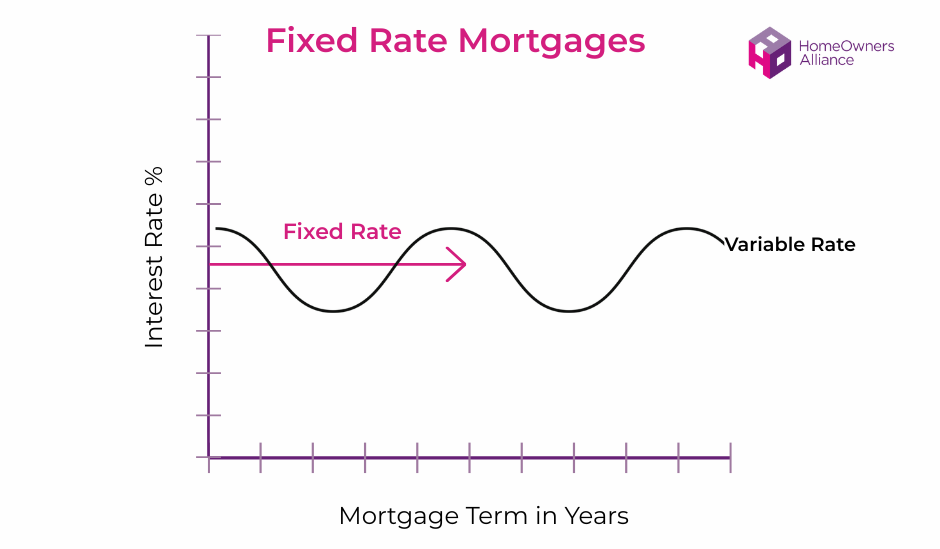
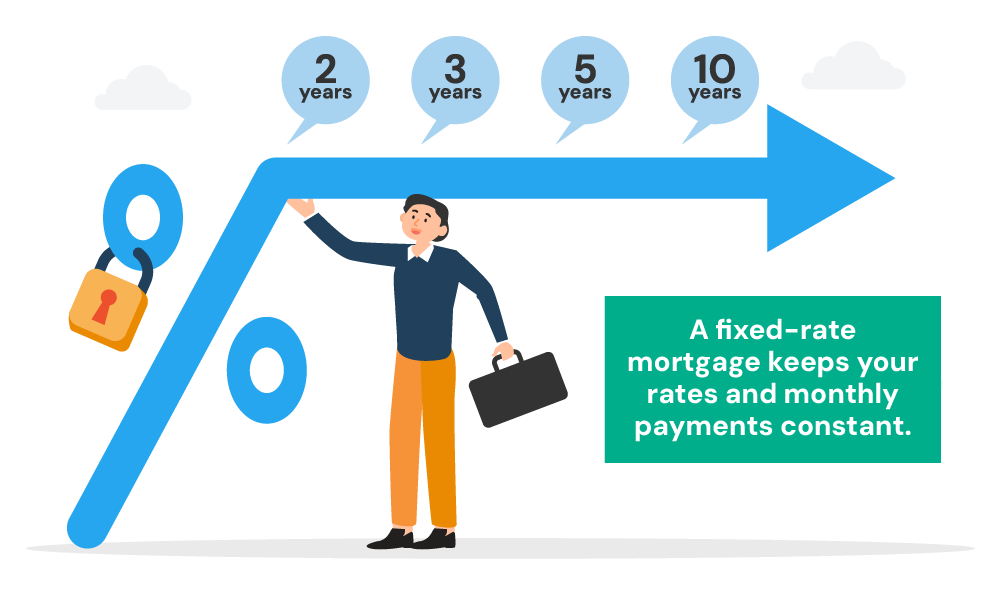
Fixed-rate mortgages are home loans where the interest rate remains constant throughout the entire term of the loan. This means that your monthly payments will stay the same, providing predictability and stability in your housing expenses.
Overview of Fixed-Rate Mortgages in Germany
In the German market, fixed-rate mortgages are quite popular due to their long-term stability and low risk. Borrowers have the option to choose between different fixed-rate terms, such as 10-year or 15-year terms, to suit their financial goals and circumstances.
Key Features and Benefits of Fixed-Rate Mortgages in Germany
- Stable Monthly Payments: With a fixed-rate mortgage, borrowers know exactly how much they need to pay each month, making budgeting easier.
- Protection Against Interest Rate Increases: Since the interest rate is locked in, borrowers are shielded from market fluctuations and rising interest rates.
- Predictability: Knowing that your mortgage payments will not change provides a sense of security and allows for better long-term financial planning.
- Lower Risk: Fixed-rate mortgages are considered less risky compared to variable-rate mortgages, as there is no uncertainty about future interest rate adjustments.
Importance of 10-Year and 15-Year Terms
 When it comes to choosing a fixed-rate mortgage in Germany, the terms of 10 years and 15 years stand out as popular options for borrowers. Let's delve into the advantages and disadvantages of each term and why they are considered the safest bet for borrowers in Germany.
Advantages and Disadvantages of 10-Year and 15-Year Terms
- 10-Year Term:
- Advantages:
- Lower interest rates compared to longer terms.
- Shorter repayment period leading to quicker equity buildup.
- Disadvantages:
- Monthly payments are higher than longer-term mortgages.
- Less flexibility if interest rates rise after the initial term.
- Advantages:
- 15-Year Term:
- Advantages:
- Reasonable interest rates with slightly higher predictability.
- Balanced monthly payments making budgeting easier.
- Disadvantages:
- Monthly payments are higher compared to longer terms.
- Less flexibility if financial circumstances change.
- Advantages:
Why 10-Year and 15-Year Terms are the Safest Bet for Borrowers in Germany
Fixed-rate mortgages with terms of 10 years and 15 years are considered the safest bet for borrowers in Germany due to their balance between manageable monthly payments and reasonable interest rates. These terms provide borrowers with a predictable repayment schedule while offering some flexibility in terms of equity buildup and future financial planning.
Impact of Interest Rates on 10-Year versus 15-Year Fixed-Rate Mortgages
When comparing the impact of interest rates on 10-year and 15-year fixed-rate mortgages, it is important to consider the overall cost of borrowing over the term of the loan. While 10-year terms offer lower interest rates initially, they may result in higher monthly payments. On the other hand, 15-year terms provide a longer period for repayment at slightly higher interest rates, leading to a balance between affordability and predictability for borrowers.Factors Influencing Mortgage Term Selection
When deciding between a 10-year and a 15-year fixed-rate mortgage in Germany, borrowers should carefully consider various factors to make an informed choice that aligns with their financial goals and circumstances.Economic Conditions in Germany
The economic conditions in Germany play a crucial role in determining whether a 10-year or a 15-year mortgage term is more suitable. For instance, during periods of economic uncertainty or fluctuating interest rates, opting for a shorter 10-year term may provide more flexibility and protection against potential rate hikes- During times of economic growth and low-interest rates, borrowers may benefit from locking in a lower rate for a longer period with a 15-year term.
- Conversely, if interest rates are expected to rise or if borrowers anticipate a change in financial circumstances in the near future, a 10-year term could be a more prudent choice.
Scenarios for Opting for 10-year or 15-year Terms
Example 1: A young couple purchasing their first home may opt for a 15-year mortgage to secure a lower fixed rate and predictable monthly payments over a longer period, allowing them to budget more effectively.
Example 2: An investor looking to capitalize on low-interest rates and refinance a property may choose a 10-year term to take advantage of the current rates and pay off the mortgage faster, potentially saving on interest costs in the long run.
Risks and Mitigation Strategies
When opting for a fixed-rate mortgage in Germany, especially with a 10-year or 15-year term, borrowers should be aware of potential risks that could impact their financial stability. However, there are strategies that can be implemented to mitigate these risks effectively.Interest Rate Fluctuations
One of the main risks associated with fixed-rate mortgages is interest rate fluctuations. Borrowers may face the challenge of increased monthly payments if interest rates rise during the term of their loan. To mitigate this risk, borrowers can consider:- Locking in a favorable interest rate: Before signing the mortgage agreement, borrowers can explore options to secure a competitive interest rate that offers stability over the chosen term.
- Refinancing: In case interest rates drop significantly, borrowers can consider refinancing their mortgage to benefit from lower rates and reduce monthly payments.
- Financial planning: Creating a robust financial plan that accounts for potential interest rate increases can help borrowers prepare for any changes in their mortgage payments.
Prepayment Penalties
Another risk to consider is prepayment penalties that may apply if borrowers decide to pay off their mortgage early. To mitigate this risk, borrowers can:- Review prepayment terms: Before signing the mortgage agreement, borrowers should carefully review the prepayment terms to understand any penalties that may apply and evaluate the flexibility of the loan.
- Negotiate terms: If possible, borrowers can negotiate with the lender to reduce or eliminate prepayment penalties, especially if they anticipate the possibility of paying off the mortgage early.
Property Value Fluctuations
Property value fluctuations can also pose a risk to borrowers, especially if the value of the property decreases significantly. To protect themselves from this risk, borrowers can:- Conduct thorough research: Before purchasing a property, borrowers should conduct thorough research on the real estate market trends to anticipate any potential fluctuations in property values.
- Invest in property maintenance: Regular maintenance and improvements to the property can help preserve its value and mitigate the impact of fluctuations in the real estate market.
Epilogue
In conclusion, navigating the world of Fixed-Rate Mortgages in Germany leads us to the undeniable conclusion that 10-year and 15-year terms are indeed the safest bet for borrowers seeking stability and peace of mind.
Essential FAQs
What factors make 10-year and 15-year terms safer in Germany?
The stability in interest rates and the ability to plan long-term financial commitments make them safer options for borrowers.
How do economic conditions in Germany impact mortgage term selection?
Economic stability can influence borrowers to choose longer terms for predictability in payments.
Are there any risks associated with fixed-rate mortgages in Germany?
While generally safe, risks include potential penalties for early repayment or refinancing.

