

Beginning with Current Mortgage Rates in the USA: Is Now the Right Time to Lock In a Fixed Rate?, the narrative unfolds in a compelling and distinctive manner, drawing readers into a story that promises to be both engaging and uniquely memorable.
Explore the intricacies of mortgage rates, from their fluctuating nature to the impact on monthly payments, offering readers a comprehensive understanding of this crucial financial aspect.
Overview of Current Mortgage Rates
Current mortgage rates refer to the interest rates that borrowers pay on their home loans at a specific point in time. These rates can vary based on multiple factors and play a significant role in determining the overall cost of borrowing for homeowners.
How Mortgage Rates are Determined in the USA
In the USA, mortgage rates are influenced by a variety of factors, including:
- The Federal Reserve's monetary policy
- The overall economic conditions
- The housing market trends
- The borrower's credit score and financial history
Comparison of Trends in Mortgage Rates Over the Past Few Years
Over the past few years, mortgage rates in the USA have shown fluctuations based on economic conditions and government policies. Here is a brief comparison:
| Year | Average 30-Year Fixed Rate |
|---|---|
| 2018 | 4.54% |
| 2019 | 3.94% |
| 2020 | 3.11% |
| 2021 | 2.87% |
Types of Mortgage Rates
When it comes to mortgage rates in the USA, there are primarily two main types: fixed-rate mortgages and adjustable-rate mortgages.Fixed-Rate Mortgages
Fixed-rate mortgages have a set interest rate that remains the same throughout the entire term of the loan. This means that your monthly payments will stay consistent, providing stability and predictability. For example, if you have a 30-year fixed-rate mortgage at 4%, your monthly payment will remain the same for the entire 30 years.Adjustable-Rate Mortgages
Adjustable-rate mortgages (ARMs) have interest rates that can fluctuate over time based on market conditions. Typically, ARMs have an initial fixed-rate period, after which the rate adjusts periodically. For instance, a 5/1 ARM has a fixed rate for the first five years and then adjusts annually. This can result in lower initial monthly payments but also carries the risk of rates increasing in the future.Factors Influencing Mortgage Rates
Various factors can influence the fluctuation of mortgage rates, impacting borrowers' decisions on when to lock in a fixed rate.
Economic Indicators Impact
Economic indicators such as inflation and employment rates play a crucial role in determining mortgage rates. When inflation is high, lenders may increase rates to offset the decreasing value of money over time. Conversely, low inflation rates may lead to lower mortgage rates to stimulate borrowing and spending. Similarly, employment rates impact mortgage rates, as a strong job market can result in higher rates due to increased demand for loans.
Federal Reserve’s Actions
The Federal Reserve's actions also have a significant impact on mortgage rates. The Fed can influence short-term interest rates through its monetary policy decisions, affecting the overall interest rate environment. For example, when the Fed raises the federal funds rate, it can lead to an increase in mortgage rates. On the other hand, if the Fed decides to lower rates to stimulate economic growth, mortgage rates may decrease as well.
Timing the Market
When it comes to mortgages, locking in a fixed rate means securing an interest rate that will remain the same throughout the life of your loan. This can provide stability and predictability in your monthly payments, protecting you from potential interest rate hikes in the future.
Strategies for Determining the Right Time to Lock in a Fixed Rate
- Monitor interest rate trends: Keep an eye on how mortgage rates are moving in the market. If rates are on the rise, it might be a good time to lock in a fixed rate to avoid paying more in the future.
- Consider your financial goals: Think about how long you plan to stay in your home and whether you prefer the security of a fixed rate or the flexibility of an adjustable rate mortgage.
- Consult with a mortgage professional: Speaking with a mortgage expert can help you understand the current market conditions and determine the best time to lock in a fixed rate based on your individual financial situation.
Tips for Monitoring Market Conditions
- Follow economic indicators: Pay attention to factors like employment rates, inflation, and the overall health of the economy, as these can influence mortgage rates.
- Set up rate alerts: Many financial websites and apps offer rate alerts that notify you when mortgage rates reach a certain level, allowing you to act quickly if needed.
- Stay informed: Regularly check in with news sources and industry publications to stay up-to-date on any developments that could impact mortgage rates.
Pros and Cons of Locking in a Fixed Rate
When it comes to deciding whether to lock in a fixed rate for your mortgage, there are both advantages and potential drawbacks to consider. Understanding these can help you make an informed decision that aligns with your financial goals and circumstances.Advantages of Locking in a Fixed Rate
- Stability in Payments: With a fixed-rate mortgage, your monthly payments remain consistent throughout the loan term, providing predictability and making budgeting easier.
- Protection Against Interest Rate Increases: By locking in a fixed rate, you shield yourself from rising interest rates, ensuring that your mortgage payments stay the same regardless of market fluctuations.
- Peace of Mind: Knowing exactly how much you need to pay each month can offer peace of mind and reduce financial stress.
Potential Drawbacks of Locking in a Fixed Rate
- Higher Initial Interest Rates: Fixed-rate mortgages typically come with slightly higher initial interest rates compared to adjustable-rate mortgages, which could result in higher upfront costs.
- Missed Savings Opportunities: If interest rates decrease significantly after you lock in a fixed rate, you may miss out on potential savings by not being able to take advantage of lower rates.
- Prepayment Penalties: Some fixed-rate mortgages come with prepayment penalties if you decide to pay off your loan early, limiting your flexibility.
Real-Life Examples
- Beneficial: A homeowner who locked in a fixed rate before interest rates increased saved thousands of dollars over the life of their loan, enjoying stable payments even as rates rose.
- Not Beneficial: Conversely, a borrower who locked in a fixed rate at a high point in the market later regretted their decision when rates dropped significantly, missing out on potential savings by being locked into a higher rate.
Closing Notes
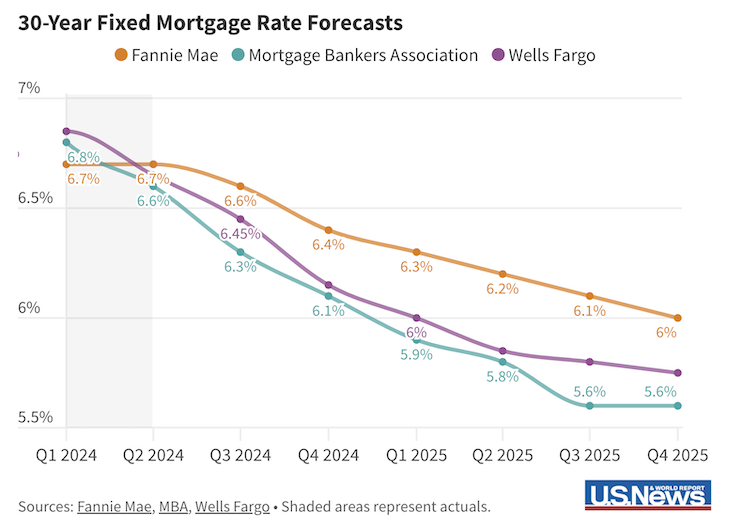
In wrapping up, the discussion on Current Mortgage Rates in the USA: Is Now the Right Time to Lock In a Fixed Rate? highlights the importance of timing and careful consideration when making mortgage rate decisions, leaving readers with valuable insights to navigate the complex world of home financing.
FAQ Overview
What are current mortgage rates?
Current mortgage rates refer to the interest rates offered by lenders to borrowers for home loans at the present time. These rates can vary based on market conditions and individual financial factors.
How are mortgage rates determined in the USA?
Mortgage rates in the USA are influenced by factors such as the overall economy, inflation rates, housing market conditions, and the decisions of the Federal Reserve. Lenders also take into account an individual's credit score and financial history when determining mortgage rates.
Is now the right time to lock in a fixed rate?
Deciding when to lock in a fixed rate depends on individual financial goals and market conditions. It's advisable to consult with a financial advisor to assess whether the current rates align with your long-term financial plans.

